
Ubisoft is making headlines once again — and not just for its games. In a bold and controversial move, CEO Yves Guillemot has appointed his son, Charlie Guillemot, as Co-CEO of a newly formed subsidiary that will oversee the company’s biggest franchises, including Assassin’s Creed, Far Cry, and Rainbow Six. The announcement has sparked both curiosity and criticism across the gaming community.
A New “Creative House” Is Born
The new subsidiary — part of Ubisoft’s freshly announced “Creative Houses” structure — is being launched in partnership with Tencent, which now owns a 25% stake in the publishing giant’s most valuable intellectual properties. This new division will reportedly operate with significant creative and strategic autonomy, focusing on the future of Ubisoft’s flagship franchises.
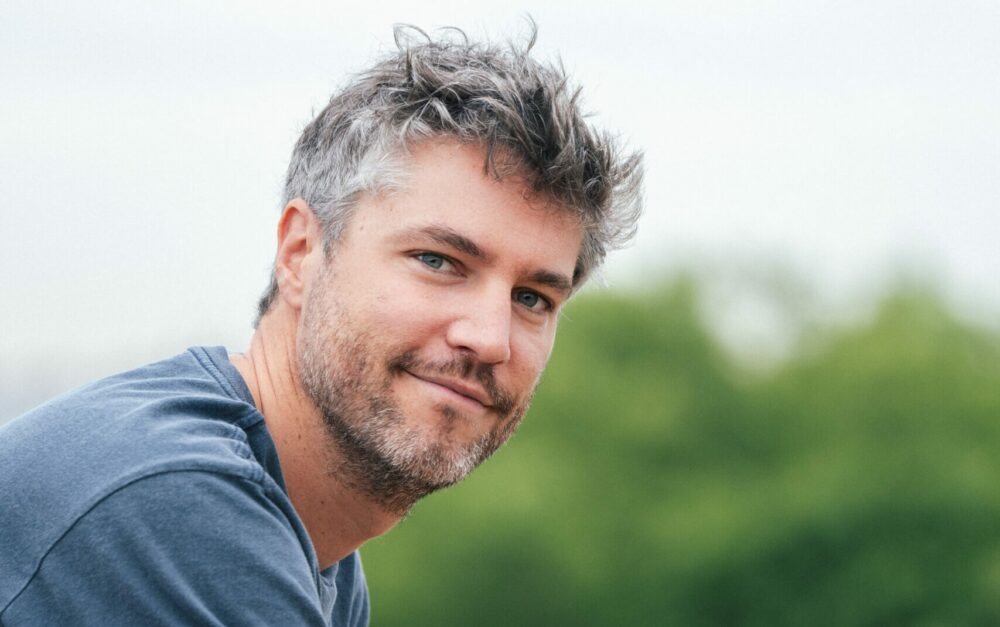
The company will be led by two Co-CEOs: Christophe Derennes, a Ubisoft veteran with nearly 30 years of experience, and Charlie Guillemot, the son of the company’s longtime CEO. While Derennes is a seasoned executive with extensive industry knowledge, it’s Charlie who has been given the reins of Ubisoft’s top three brands — overseeing development, marketing, and overall brand direction.
Nepotism or Next-Gen Visionary?
Unsurprisingly, the decision to put Charlie Guillemot in such a high-stakes position has been met with skepticism. Many industry watchers have raised concerns about nepotism, especially given Ubisoft’s rocky track record in recent years. The company has faced backlash for mismanagement, tone-deaf leadership, and underwhelming releases — issues that have severely damaged its once-stellar reputation.
In an internal memo obtained by Insider Gaming, Yves Guillemot defended the appointment, praising Charlie’s “entrepreneurial spirit,” passion for gaming, and “family continuity.” But for critics, that continuity is exactly the problem. Some are questioning whether Charlie’s resume — which includes time at Owlient, a Ubisoft-owned studio, and Unagi, a short-lived NFT/Web3 venture — really qualifies him to lead such crucial brands at such a pivotal time.
Charlie himself responded to the accusations in a Variety interview, stating:
“My appointment isn’t only about family ties; it’s about what Ubisoft needs at this moment. I’ve spent the last decade building experience both inside and outside Ubisoft.”
He added that he stepped away from the company at one point specifically to gain outside perspective.
Still, his critics remain unconvinced. The timing of his return — just as Ubisoft repositions itself under Tencent’s influence — has raised eyebrows, and many fans are worried about the future direction of their favorite franchises under his leadership.
What This Means for Ubisoft’s Franchises
Whether the move proves to be visionary or disastrous, there’s no denying the significance of the appointment. The newly formed studio will essentially serve as the creative engine behind Ubisoft’s top-tier games. With upcoming titles like Assassin’s Creed Hexe and a long-awaited new Far Cry installment in development, the pressure is on to deliver.
Ubisoft is betting big on this new Creative House model as a way to regain its footing and reestablish trust with players. But with skepticism running high, the company now finds itself under a microscope. Can it shake off past controversies and focus on great games? Or will this latest leadership shake-up add fuel to the fire?
Gamers and industry insiders alike will be watching closely in the coming months. For now, Ubisoft’s future looks uncertain — and strangely familiar, thanks to some very familiar names at the top.